Too Many Tourists: How Europe Is Taxing, Capping and Rerouting Its Summer Crowds
Across Europe in 2026, cities are fighting overtourism with higher tourist taxes, cruise caps and short-term rental bans. Venice charges day-trippers, Amsterdam halved cruise moorings, Barcelona plans to ban all its Airbnbs by 2028, and the EU wants to redistribute visitors.
For years, Europe's most beautiful cities welcomed ever larger crowds with open arms. In 2026, the mood has shifted decisively, as a wave of new taxes, caps and cruise restrictions reshapes what a summer holiday on the continent actually looks like.
The taxman targets tourists
The most visible change arrives at check in. Cities across Europe have raised or introduced tourist taxes, adding a nightly charge to hotel stays that can noticeably lift the overall cost of a trip for visitors from abroad.
Barcelona sits near the top of the scale. The Catalan city levies a tourist tax reported to reach around 15 euros per person per night, one of the steeper charges to be found among Europe's major holiday destinations.
Venice has taken a different route entirely. The lagoon city charges day-trippers a 10 euro fee to enter on its busiest days, an attempt to manage the flood of visitors who arrive, wander and leave without ever staying a single night.
Cruise ships in the crosshairs
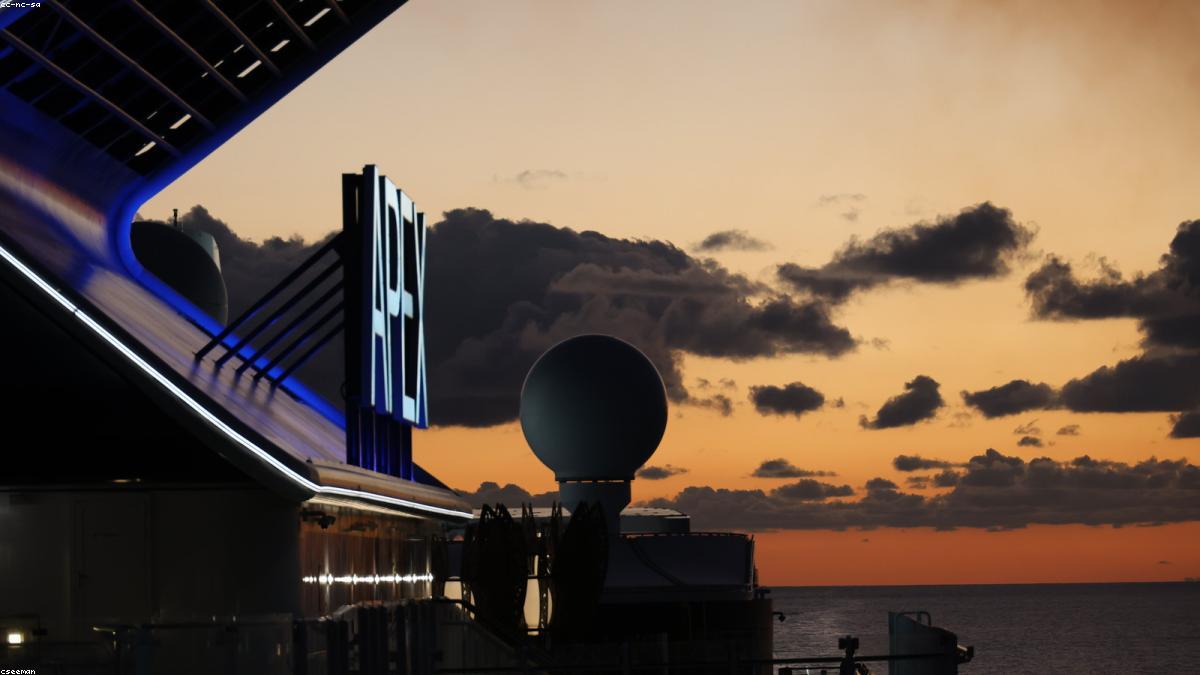
Nowhere is the backlash sharper than at the water's edge. Several ports have moved to curb the cruise ships that can disgorge thousands of passengers into a single small historic centre within just a few hours.
Amsterdam has acted decisively on this front. The Dutch capital has cut its cruise moorings by half and added a per passenger levy, signalling clearly that the days of unlimited ship arrivals in the city are firmly over.
Barcelona, Europe's busiest cruise port, faces the very same pressure. Residents and environmental groups have pushed for tighter controls, and the city has been charging cruise visitors while weighing further increases in the years ahead.
Reclaiming homes from holiday rentals
The fight has spread from hotels and harbours into housing itself. Short-term rentals, blamed for hollowing out neighbourhoods and driving up local rents, have become a central target for hard pressed city authorities.
Barcelona has made the boldest promise of all. The city plans to ban all of its roughly 10,000 short-term holiday apartments by 2028, aiming to return that housing to residents who have been priced out by the tourism boom.
Others have moved to freeze the problem in place. Florence halted new short-term rental licences in its historic centre, while Amsterdam cut the number of nights a property can be rented out to visitors, tightening the supply.
Travellers are noticing
The measures reflect a real change in how visitors themselves feel. According to one 2026 travel trends report, some 32 per cent of travellers said they had experienced negative effects from overtourism during their own trips.
That discomfort is already changing behaviour. The same research found that 34 per cent of travellers are now actively seeking out quieter destinations, steering away from the crowded hotspots that dominate the postcards.
A continent rethinks its crowds
The shift is becoming official policy. In March, the European Parliament passed a resolution on overtourism that pointed toward redistributing visitors across the continent rather than simply taxing the busiest spots ever more heavily.
The direction of travel is clear. After decades of chasing ever higher visitor numbers, many of Europe's most famous destinations are now trying to manage, and in places to reduce, the very crowds that made them rich in the first place.